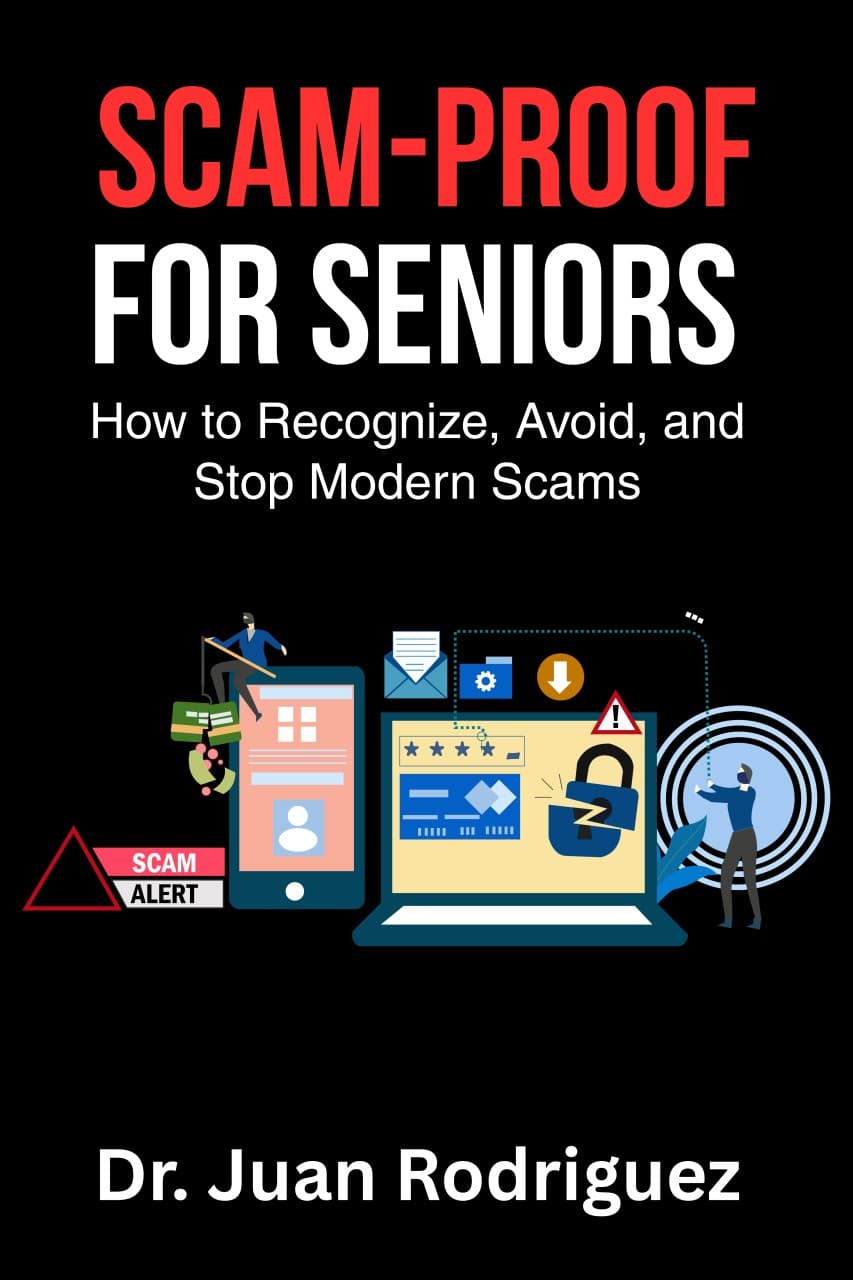
As digital scams continue to proliferate across communication channels, a new book offers targeted protection for one of the most vulnerable demographics. 'Scam Proof for Seniors' by cybersecurity educator Dr. Juan Rodriguez provides practical tools to combat the growing threat of online fraud targeting older adults.
The book addresses the full spectrum of modern scams, including phishing emails, fake tech support calls, romance scams, and impostor government messages. Rodriguez explains how these schemes operate and why they succeed across email, phone, text, and social platforms, offering readers clear understanding of digital threats that have become increasingly sophisticated.
Written specifically for seniors and their families, the guide focuses on education and empowerment through real-world scam scenarios. The approach is deliberately non-technical, providing accessible steps to identify scams, verify legitimacy, and respond appropriately if compromised. This methodology addresses a critical gap in digital safety resources that often assume technical knowledge many seniors lack.
The publication's importance stems from demographic vulnerability combined with escalating fraud rates. Older adults are frequently targeted by scammers due to factors including accumulated savings, potential social isolation, and sometimes less familiarity with digital platforms. Rodriguez's background as host of the Technology Tap podcast and years of cybersecurity education informs the book's practical approach.
Industry implications are significant as publishers increasingly recognize the market for specialized digital safety resources. The book's focus on a specific demographic represents a shift from general cybersecurity guides toward targeted educational materials. This trend may influence how publishers approach technology literacy materials for different age groups and technical backgrounds.
For readers, the book offers immediate practical value in navigating daily digital communications safely. The guidance on verifying legitimacy across multiple platforms could prevent financial loss and emotional distress associated with scam victimization. Family members concerned about older relatives' digital safety may find the resource particularly valuable for initiating conversations about online protection.
The broader societal impact involves potentially reducing the success rate of scams targeting vulnerable populations. As Rodriguez notes in promotional materials available at https://reportable.com/scam-proof-seniors, education remains the most effective defense against increasingly sophisticated digital fraud. By making cybersecurity concepts accessible to non-technical audiences, the book contributes to collective digital resilience.
This publication arrives during a period of escalating concern about digital safety across all demographics. Regulatory bodies and consumer protection agencies have documented rising scam incidents, making resources like 'Scam Proof for Seniors' timely additions to public education efforts. The book's practical focus on identification and response protocols provides actionable knowledge that could significantly reduce victimization rates among older adults.