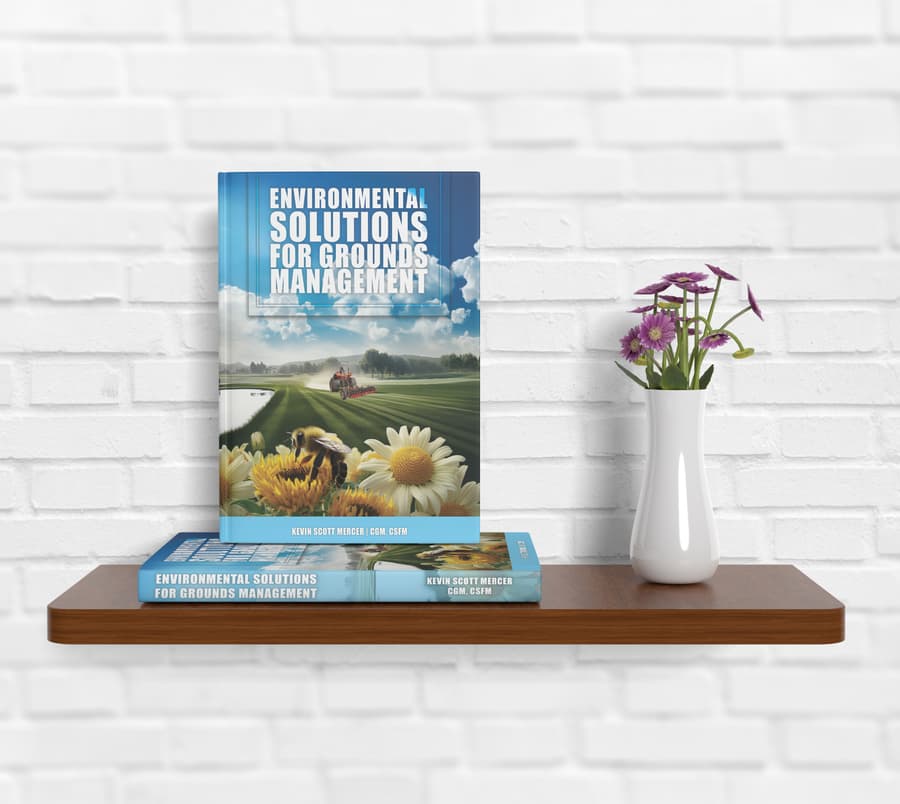
Franklin Publishers announced the upcoming release of "Environmental Solutions for Grounds Management" by Kevin Scott Mercer, CGM, CSFM, a comprehensive guide that addresses environmental challenges through practical grounds management strategies. The book draws on Mercer's thirty years of experience to offer approaches that balance environmental stewardship with operational effectiveness.
The publication tackles critical issues including stormwater management, biodiversity promotion, and innovative soil amendments using food waste and compost tea. These techniques aim to enhance landscapes while maintaining aesthetic standards and program integrity. Mercer's methods demonstrate how grounds managers can reduce environmental impact while achieving economic benefits.
Key content includes practical solutions for reducing stormwater runoff and managing nutrients, techniques for fostering biodiversity and creating wildlife habitats, and innovative approaches to soil amendments and composting. The book features case studies and award-winning strategies recognized by professional organizations including the Professional Grounds Manager Society and the Sports Fields Manager Association.
This resource is relevant to grounds managers, horticulturists, golf course superintendents, and landscape professionals seeking to implement sustainable practices. The strategies presented offer actionable steps toward environmentally friendly and economically viable grounds management. By applying these methods, professionals can potentially reduce environmental impact while enhancing property value.
Mercer's expertise includes six National Environmental awards from PGMS and SFMA, reflecting his commitment to environmental stewardship and professional development. His work represents a significant contribution to the field, providing practical guidance for addressing contemporary environmental challenges in grounds management. The book's availability in September offers professionals timely access to these strategies as environmental considerations become increasingly important in landscape management.
The publication's importance lies in its practical approach to sustainability, offering concrete methods rather than theoretical concepts. As environmental regulations tighten and public expectations for sustainable practices increase, this guide provides professionals with implementable solutions. The economic viability of these approaches makes them particularly relevant for organizations balancing environmental responsibility with budget constraints.
For grounds management professionals, this book represents a resource for adapting to changing environmental standards while maintaining operational effectiveness. The integration of award-winning strategies with practical applications creates a valuable tool for professionals across various sectors of the industry. As sustainable practices become increasingly essential, resources like this guide support the industry's transition toward more environmentally responsible management approaches.