The United States faces a significant challenge in financial literacy, with only 17% of adults having received any form of financial education in high school or college. This gap has left many, like Ann Marie Sabath, navigating their financial futures without the necessary tools or knowledge. Sabath's journey from financial novice to informed investor underscores the transformative power of education in personal finance.
Robert Johnson, a professor of finance at Creighton University, emphasizes the importance of investing in the stock market as a means to build long-term wealth. Despite the average annual return on large capitalization stocks being approximately 10% since 1926, a stark contrast to the minimal earnings from savings accounts, only 60% of Americans are investing. This disparity highlights the urgent need for accessible financial education.
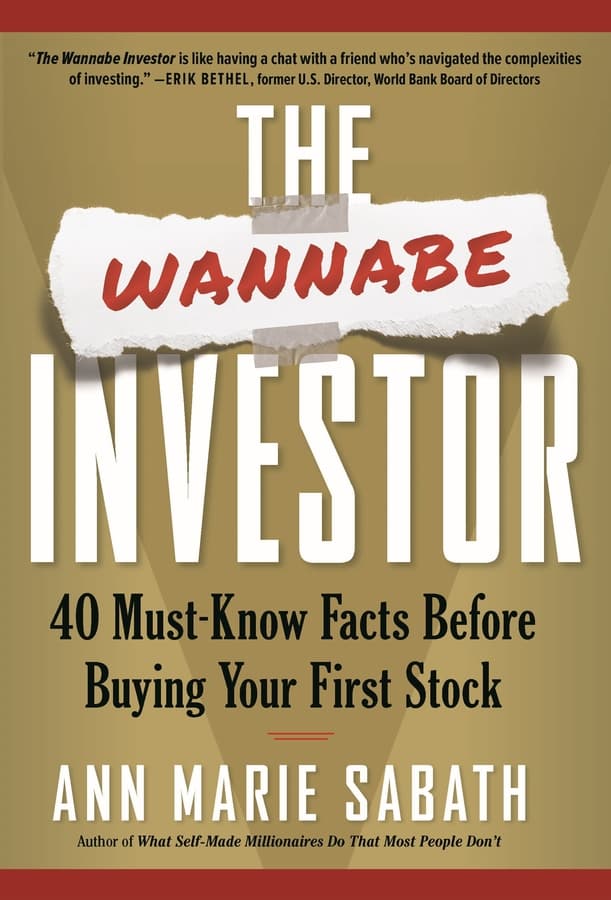
Sabath's upcoming book, The Wannabe Investor: 40 Must-Know Facts Before Buying Your First Stock, set to release on April 1, aims to bridge this gap. The book, praised for its clear and friendly prose, offers a step-by-step guide for beginners, covering essential topics such as risk tolerance and the power of compounding. It has been compared to seminal works like John Bogle's 'The Little Book of Common Sense' and Jean Chatzky and Kathryn Tuggle's 'How to Money.'
The implications of Sabath's work extend beyond individual readers. By demystifying the stock market and encouraging informed investment, 'The Wannabe Investor' has the potential to contribute to a more financially literate society. This is particularly relevant as the book's release coincides with Financial Literacy Month, spotlighting the ongoing need for education in personal finance.
Advanced praise from industry experts, including Erik Bethel, former U.S. director of the World Bank Board of Directors, and Jay Newman, author of 'Undermoney,' underscores the book's value to both novice and experienced investors. Sabath's personal story of transformation, under the mentorship of a seasoned investor, serves as a powerful testament to the impact of financial education.
As the U.S. grapples with the consequences of financial illiteracy, resources like 'The Wannabe Investor' offer a beacon of hope. By equipping individuals with the knowledge to make informed investment decisions, Sabath's work not only empowers readers but also contributes to the broader goal of financial stability and wealth accumulation across the nation.