

For individuals with developmental disabilities and their families, fitness can mean much more than getting stronger or improving endurance. The right approach to movement can help people develop confidence, establish healthier routines, build physical skills, and work toward greater independence. Traditional fitness programs, however, aren't always designed around the needs of people who learn, communicate, or experience the world differently.
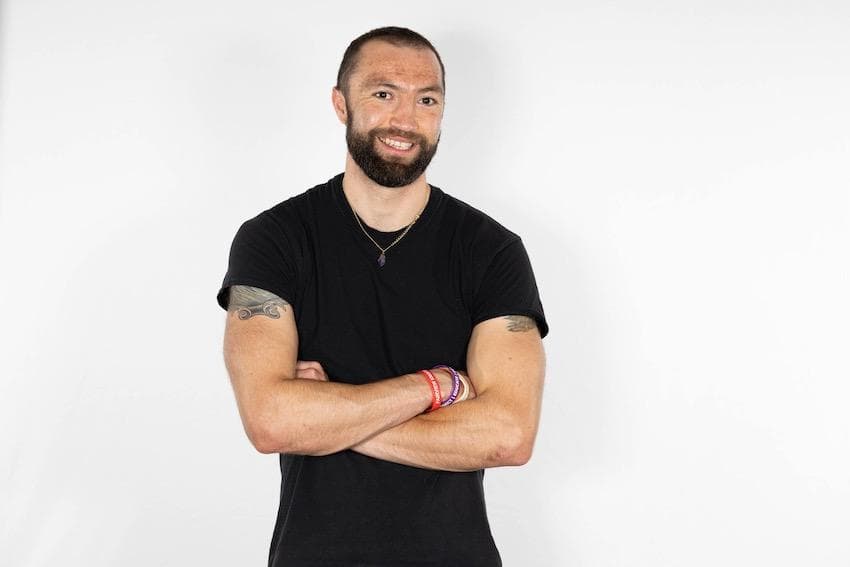
James Anderson, CSCS, founder of Better Everyday Athletics, believes effective inclusive fitness starts with one simple principle: meet people where they are. His approach, detailed in a recent announcement, is built on five principles that prioritize individual needs and sustainable progress over one-size-fits-all programs.
The first principle is to meet people where they are. Inclusive fitness starts with understanding the individual rather than expecting the individual to adapt to a conventional program. Anderson's method begins with an initial consultation to understand a person's abilities, needs, and starting point. From there, movements and exercises are adapted and progressively developed around that individual. As Anderson explains, fitness shouldn't be about forcing someone into a program that wasn't designed for them. Instead, the goal is to understand what motivates a person, what they're comfortable with, and where they're starting, then use movement to help them make meaningful progress.
The second principle is to move with purpose. Movement can serve a purpose beyond physical exercise. Anderson's philosophy grew from his experience working in both personal training and behavioral health. One early experience with a behavioral health client helped shape his understanding of how movement could play a larger role in everyday life. The experience showed Anderson that purposeful movement could become part of a person's broader routine and support progress that extends beyond traditional fitness goals.
Third, inclusive fitness is about building better habits, not quick fixes. For Anderson, sustainable progress can take many forms. Sometimes it means getting stronger. Other times, it can mean developing confidence, establishing a healthier routine, learning a new physical skill, or becoming more independent in everyday activities. Even small steps can matter. Sometimes, the victory is simply discovering, "I can do this."
Fourth, Anderson's philosophy is rooted in his own experience as a father. During the exhausting early months of parenthood, he found that maintaining his own physical fitness helped him better manage stress and the demands of caring for his daughter. That experience strengthened his belief that healthy habits don't affect only one person; they can influence an entire family. This idea became part of the foundation for his book, Legacy of Health: A Parent's Guide to Building Strength, Energy, and Longevity for the Next Generation, which encourages parents to think beyond short-term fitness goals and consider the example their own health habits can create for the next generation.
Finally, inclusive fitness aims to create lifelong independence. For Anderson, it ultimately comes back to helping individuals recognize what they are capable of doing and building from there. Families and organizations have shared examples of progress from Anderson's work. One parent said her daughter developed "confidence and empowerment" while working with Anderson. Another described how her son progressed from being unable to run a quarter mile without stopping to running a half mile nonstop and later regularly riding his bike to the store. Julie McNeil, Day Program Director at FRIENDS of Broomfield, has also praised Anderson's patience and creativity, as well as his ability to understand individual needs and capabilities before challenging clients to achieve more. The common thread is simple: progress doesn't have to look the same for everyone.
The Better Every Day Method is built around these five principles: meet people where they are, move with purpose, build better habits, strengthen the whole family, and create lifelong independence. Anderson is an NSCA Certified Strength and Conditioning Specialist (CSCS), former Registered Behavior Technician (RBT), published author, and founder of Better Everyday Athletics. His website states that he has more than 15 years of experience working with families, individuals with disabilities, and care organizations.
His message to individuals, families, and organizations is straightforward: start with the person, not the program. Understand where they are. Find movement with purpose. Build sustainable habits. Then keep working toward becoming a little better every day. To learn more about James Anderson and Better Everyday Athletics, visit mybettereveryday.org. Organizations interested in bringing James Anderson in for a keynote, workshop, or presentation can visit mybettereveryday.org/speaking-engagements.
