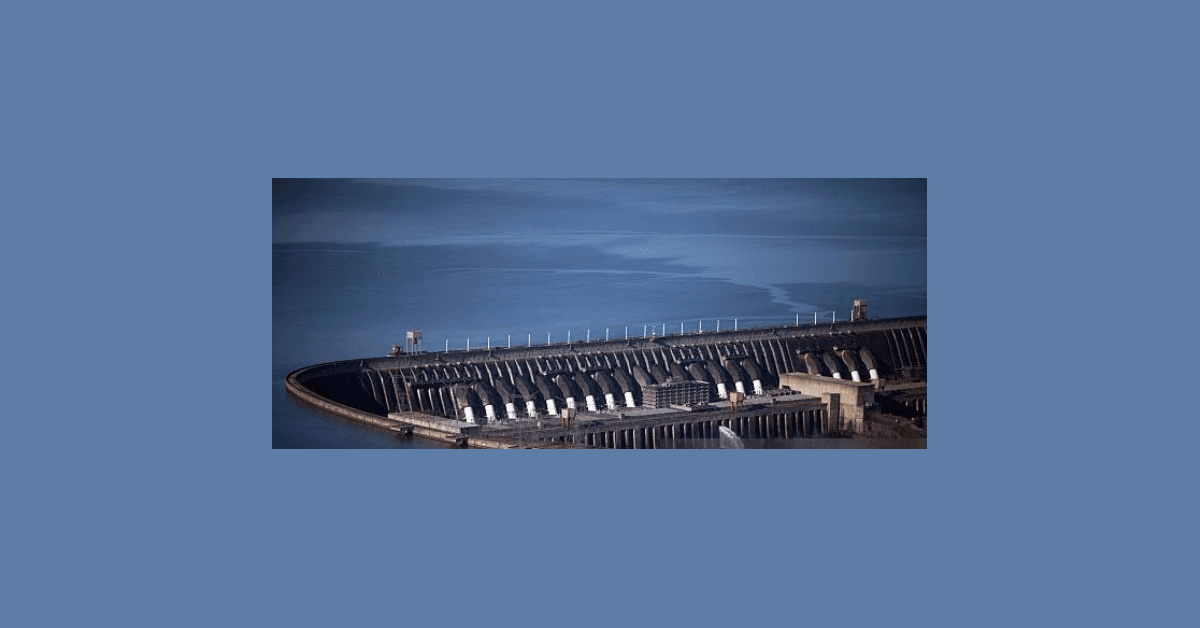
A new book titled "Canada A Legal Paradise" presents what it describes as the true story of Eduardo García, a Guatemalan-born financial consultant whose attempt to expose alleged corruption at a major South American energy corporation led to a 15-year legal battle across two continents. The book alleges that Itaipú Binacional, a Brazilian-Paraguayan state-owned enterprise and global energy leader, has pursued García to silence him after he uncovered a multi-million-dollar fraud involving the company's pension fund.
The central claim of the narrative is that García, who immigrated to Canada, became a whistleblower regarding financial misconduct at Itaipú Binacional's pension fund, Cajubi (https://cajubi.org.py/webcajubi/). Instead of being protected, he alleges he became the prime suspect in a fabricated case. Itaipú Binacional has demanded García account for over $20 million that a Canadian judge ruled he defrauded from the fund. However, the book asserts this ruling is based on a conspiracy theory alleging bribe payments to pension fund directors—payments García insists never occurred.
The importance of this story lies in its allegations of systemic failure within international legal and corporate governance systems. The author contends that evidence disappeared, judges ignored facts, and powerful entities closed ranks to protect financial interests, suggesting that justice can be compromised by influence. For the publishing industry and readers, this represents a significant work of investigative non-fiction that challenges narratives about legal havens and corporate accountability.
The implications are broad, potentially affecting perceptions of cross-border legal cooperation, the treatment of whistleblowers, and the integrity of state-owned enterprises in global markets. For individuals, it serves as a cautionary tale about the risks of challenging powerful institutions. The book aims to consolidate testimony from insiders familiar with the case, including former Itaipú legal consultant Julio Benítez, to support its claims. The prolonged nature of García's ordeal—spanning from Paraguay to Canadian courtrooms—highlights the complexities and potential abuses in international legal disputes where vast sums are involved.