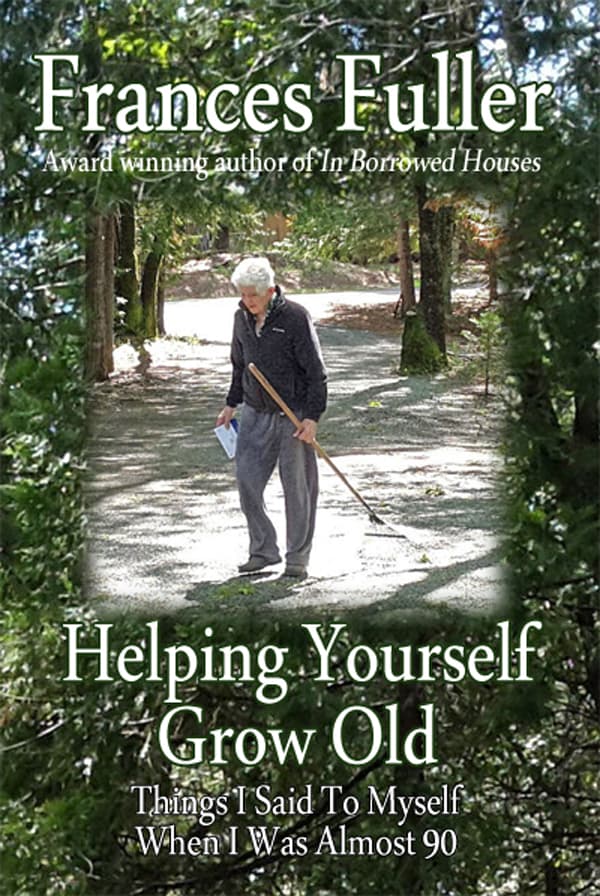
Frances Fuller, the best-selling author of 'Helping Yourself Grow Old', provides an intimate look into the realities of aging and the often-overlooked potential of assisted living communities. Her work stands out in the crowded field of literature on aging by offering a personal narrative that resonates with readers facing similar life transitions. Fuller's insights challenge the societal stigma surrounding aging, particularly the fear of becoming obsolete, by highlighting the active and meaningful roles seniors can play within their communities.
In her blog post titled 'Will I Still Be Useful', Fuller shares anecdotes and observations that underscore the continued relevance and contributions of the elderly. From organizing book clubs to comforting the bereaved, the activities she describes paint a picture of retirement homes as vibrant communities where residents actively enrich each other's lives. This perspective is crucial at a time when the aging population is growing, and societal attitudes towards aging are in flux.
Fuller's approach to discussing aging is markedly different from the academic or clinical perspectives that dominate the genre. Her book, 'Helping Yourself Grow Old, Things I Said To Myself When I Was Almost Ninety', is praised for its honesty, wit, and poignant reflections on the challenges and opportunities of old age. It serves as a valuable resource not only for seniors but also for their families, caregivers, and anyone interested in the complexities of aging.
The impact of Fuller's work extends beyond individual readers to influence broader conversations about aging, retirement, and assisted living. By sharing her personal journey, she offers a roadmap for navigating the emotional and practical aspects of growing older. Her book and blog posts, available at https://www.inborrowedhouseslebanon.com/will-i-still-be-useful/, encourage a reevaluation of what it means to age with purpose and dignity.
Frances Fuller's contributions to the discourse on aging are not only informative but also transformative. Her ability to articulate the fears, joys, and challenges of aging in a relatable manner makes her work a beacon for those navigating the later stages of life. As society continues to grapple with the implications of an aging population, Fuller's insights offer a much-needed perspective on the value and potential of every stage of life.