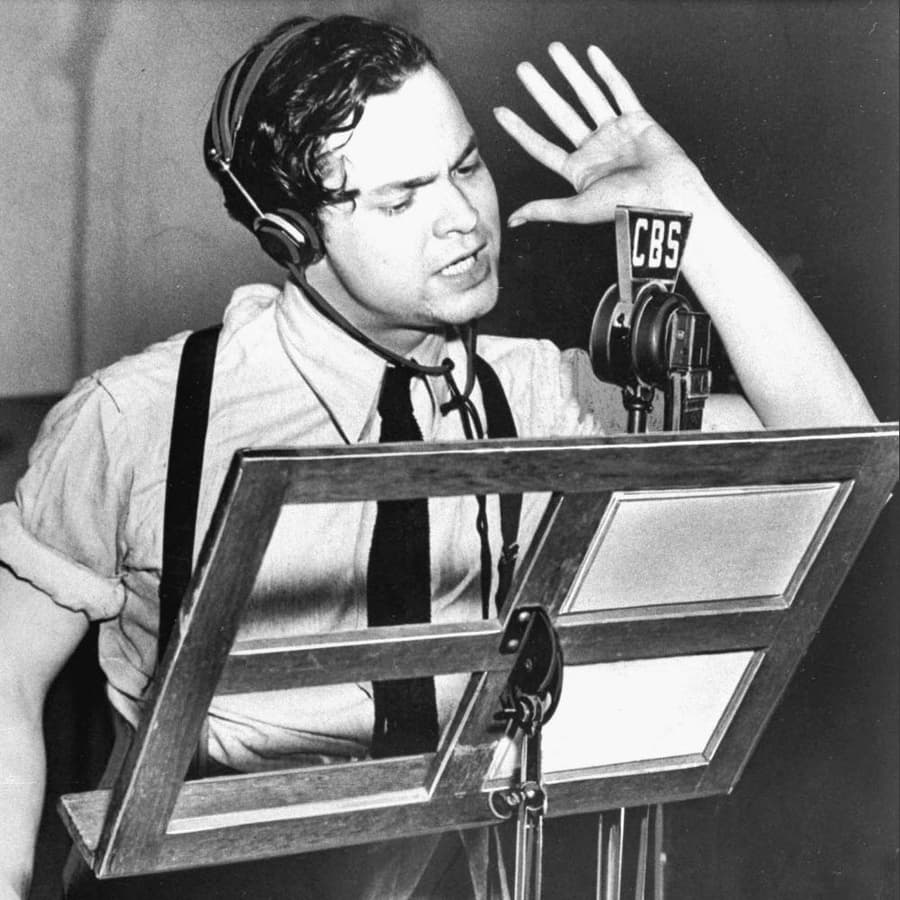
On October 30, 1938, a young Orson Welles directed a radio adaptation of H.G. Wells' 'War of the Worlds' that inadvertently caused nationwide panic, mistaking the fictional narrative for a real Martian invasion. This event, now a seminal moment in media history, is revisited in William Hazelgrove's 'Dead Air: The Night Orson Welles Terrified America'. The book offers a revisionist take on the broadcast, emphasizing its significance in understanding the power of media to influence public perception.
The 1938 broadcast capitalized on the era's technological advancements and societal anxieties, including the Great Depression and looming war threats, to create what could be considered the first viral instance of fake news. Hazelgrove's narrative delves into the anecdotal reactions of listeners who fled their homes in terror, showcasing the broadcast's immediate and profound impact on the American psyche.
Today, as the media landscape faces unprecedented scrutiny over the dissemination of misinformation, 'Dead Air' serves as a timely reminder of the enduring challenges in distinguishing reality from fiction. The book has received critical acclaim, with starred reviews from Publisher Weekly and Booklist, underscoring its relevance in contemporary discussions about media integrity and the psychological effects of broadcasting.
Hazelgrove, a National Bestselling author, brings a wealth of historical insight and narrative skill to 'Dead Air', further cementing his reputation as a leading voice in narrative nonfiction. His exploration of Welles' broadcast not only commemorates its 86th anniversary but also invites readers to reflect on the parallels between the media-induced panic of 1938 and today's digital age challenges.
For more information on William Hazelgrove and his works, visit http://www.williamhazelgrove.com.